The Story of Open World 株式会社 : Part 1- Roots
I spent the latter 2 years of high school in the Dominican Republic. I went to a very small boarding school for expats in a community in the mountains outside of Santiago. It was a small, cloistered experience, primarily missionary kids and overprivileged, underachieving American youth sent for a transformative experience.
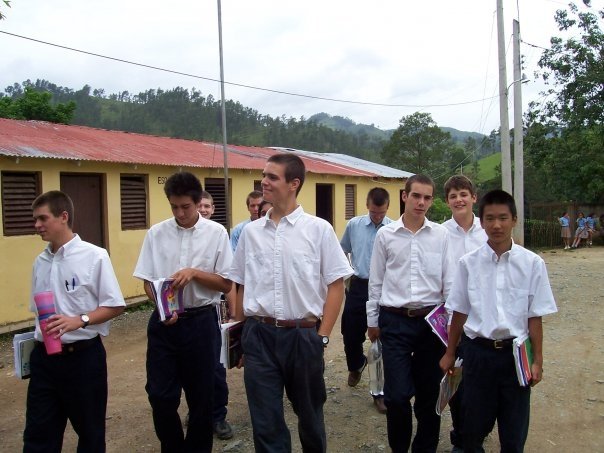
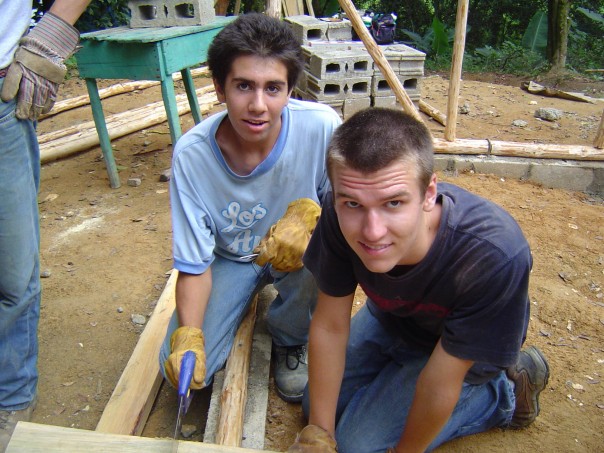
But during the summers, we were given a break from academics and sent out into the community to do service projects and learn/practice Spanish. The epitome of learning by doing, principles I can now use academic jargon to describe (Task-Based Language Teaching, Content Language Instruction, Sociocultural Approach to Second Language Acquisition, Immersive Learning) I came to know by lived experience when I was 16.
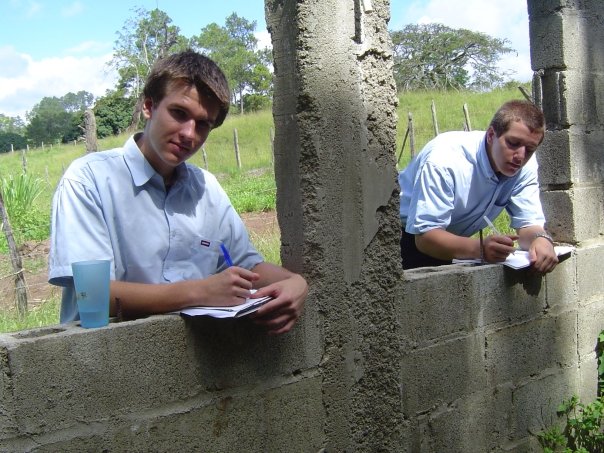
A genuine fascination with a world previously unknown to me and a curiosity and desire to connect with the people from the community compelled me to acquire Spanish as quickly as possible to deepen my involvement in the community service projects. The Dominican people really captured my heart, and doing service projects in the rural communities showed me a window into socio-economic realities that left my young mind with more questions than answers about how the world worked.
In university, I flitted around many subjects searching for a major that would put language and explanation to the things I witnessed during high school in the Dominican Republic. I studied design, psychology, classics, economic development, until finally settling on a double major in economics and business administration. Every summer, I continued to involve myself with service work in Latin America. My first summer job was working as a trip guide for the Global Village program, the eco-tourism branch of Habitat for Humanity Guatemala.
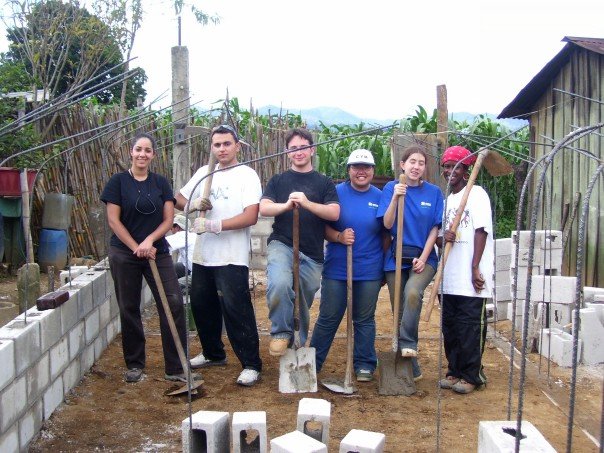
This type of volunteer work was a fascinating collision of worlds. Volunteer teams would come from hi-spec institutions, elite universities, well-funded socialite groups and large corporations from around the developed world to get their hands dirty, building a home alongside the recipient families in a world they would never otherwise touch or acknowledge in their daily life.
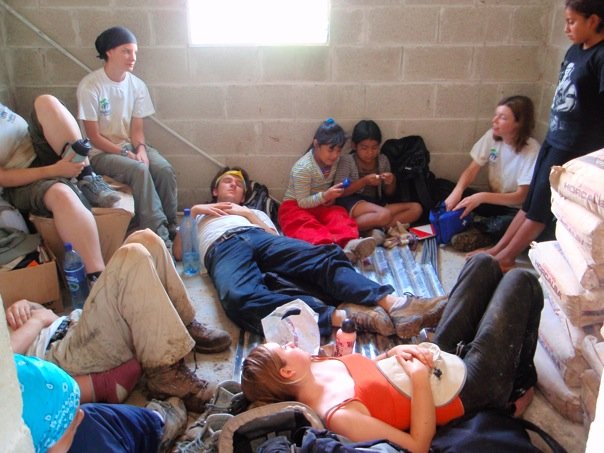
Though some came with enough knowledge of Spanish to connect with locals, most just gave their time, effort and smiles. But the experience of watching a ‘global community’ and the ‘family of man’ connect for the good of those less economically fortunate was profoundly moving for me, and continued to drive my search for meaning and method in academics.
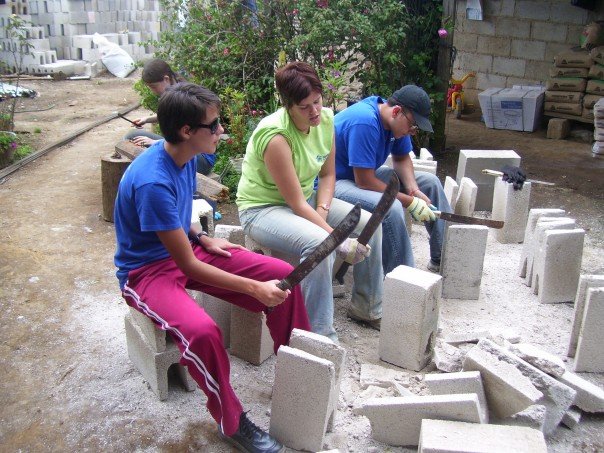
I got to help create an infrastructure where systems of understanding were turned upside down, and provide comfort and structure for adventurous tourists who came to give and discover and connect with a simpler world, with priorities and realities entirely separate to their own.
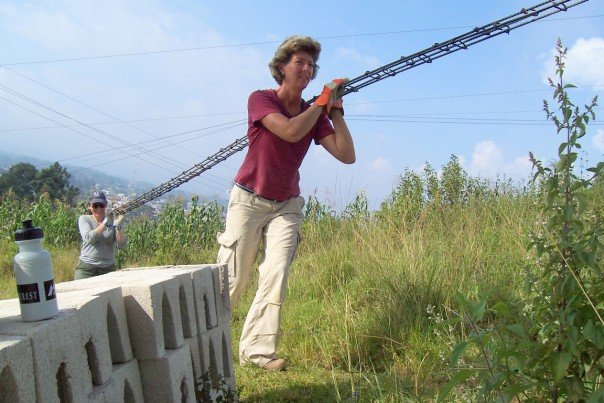
After a few summers in Guatemala and a few years studying economic theory, I began to critique the shortcomings of the Habitat for Humanity structure for outreach, which in Guatemala required recipients to hold title to land in order to receive a no-interest loan from the non-profit organization in order to finance the construction of a home. I felt there were deeper and more widespread problems of those in ‘extreme poverty’ the organization was not structured to address, which led me to involvement with a microfinance nonprofit organization and a return to the Dominican Republic once again for my last university summer job.
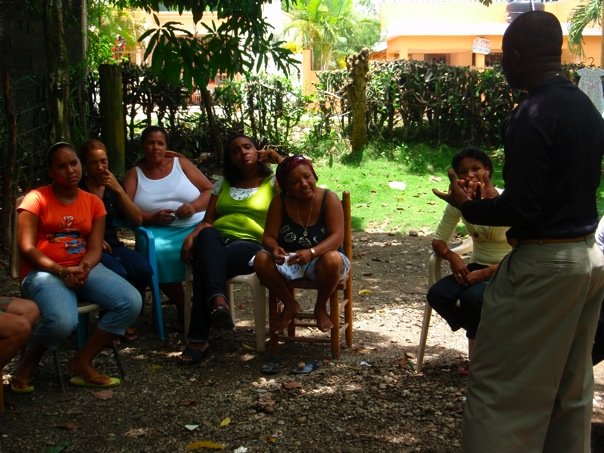
The principles of microfinance are: Give tiny loans to poor people—especially women—without collateral, organize borrowers into small peer groups, and rely on social trust and mutual accountability instead of assets to ensure repayment. The loans are used to support micro-entrepreneurship and self-employment, repayments are small and frequent, interest is sustainable rather than charitable, and the aim is empowerment, income generation, and poverty reduction rather than profit maximization.
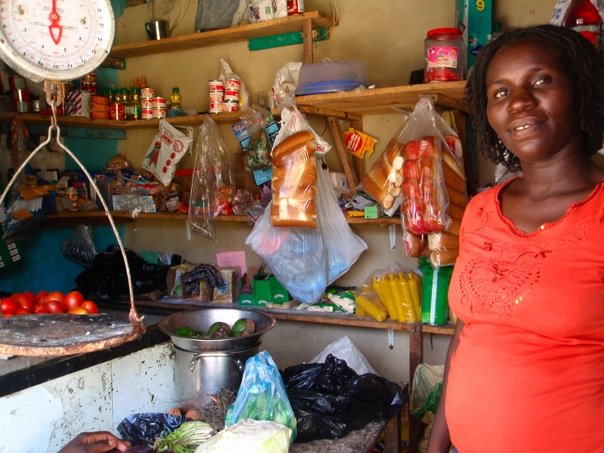
At the time, I didn’t think of these experiences as a philosophy. I was just trying to understand how people learn, adapt, and survive within systems that did not account for their realities. I didn’t yet know it, but these early encounters with inequality and agency would later shape how I approached work, learning, and eventually business.